

Quality is proven, lot by lot.
No storytelling without data: every lot we offer goes through the lab, and the figures reach you before you commit.
What we measure
Free acidity
% oleic acid
The first quality marker: it measures olive degradation before milling. Extra virgin: ≤ 0.8%. Our purchasing standards are stricter.
Peroxide value
meq O₂ / kg
It reveals the oil's primary oxidation: a low value means a fresh oil, well extracted and well stored. Extra virgin: ≤ 20; our typical lots run well below that.
UV absorbance
K232 · K270 · ΔK
Spectrophotometric constants detect advanced oxidation and the presence of refined oils: the safeguard against adulterated blends.
Total polyphenols
mg / kg
The oil's natural antioxidants: they drive nutritional value and shelf life. Early-harvest Tunisian oils are particularly rich in them.
Traceability, from mill to loading
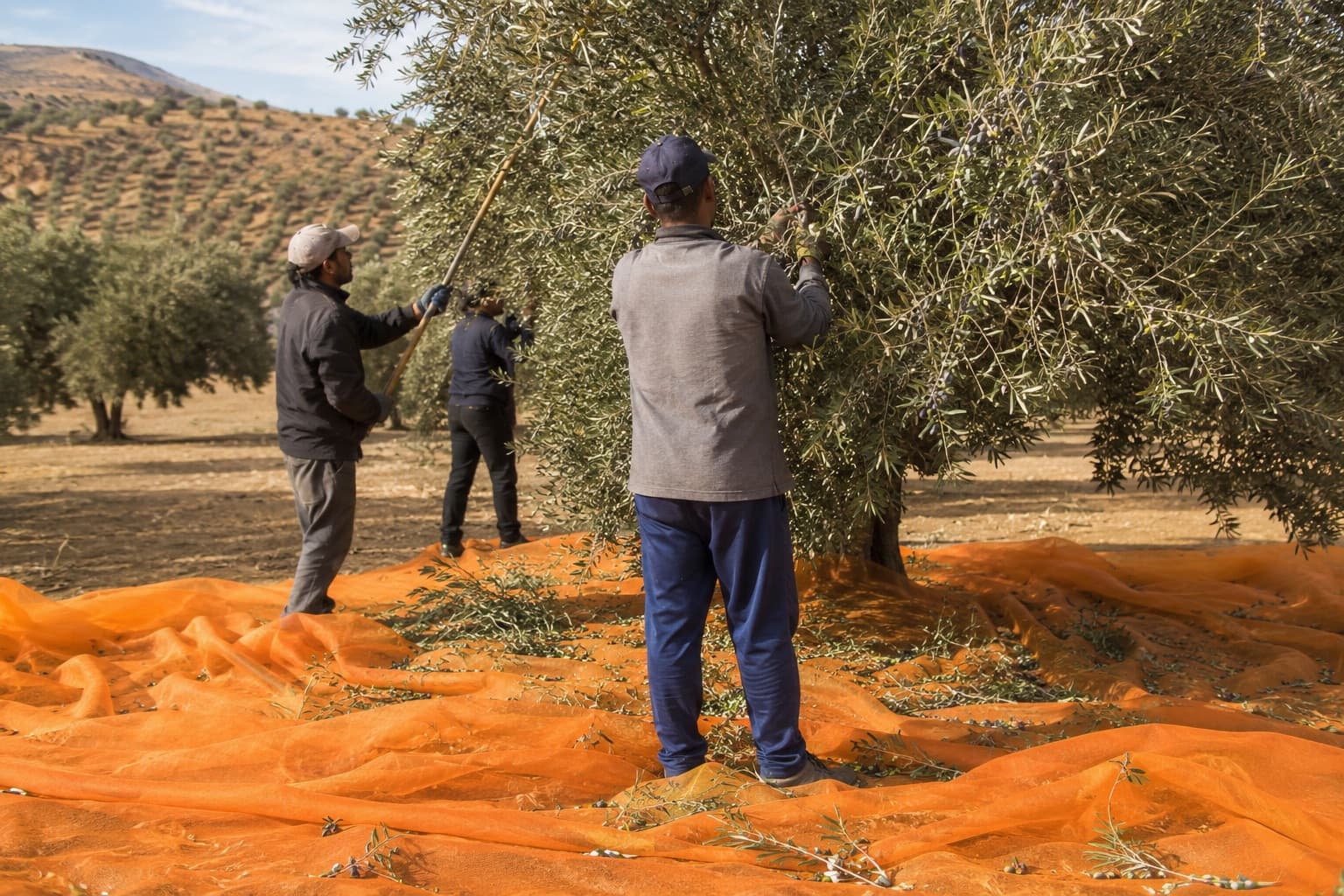 1
1Identified mill
Every lot is tied to its mill of origin, its production area and its milling period.
 2
2Tested lot
Sampling and lab analysis before purchase. Systematic tasting by our team.
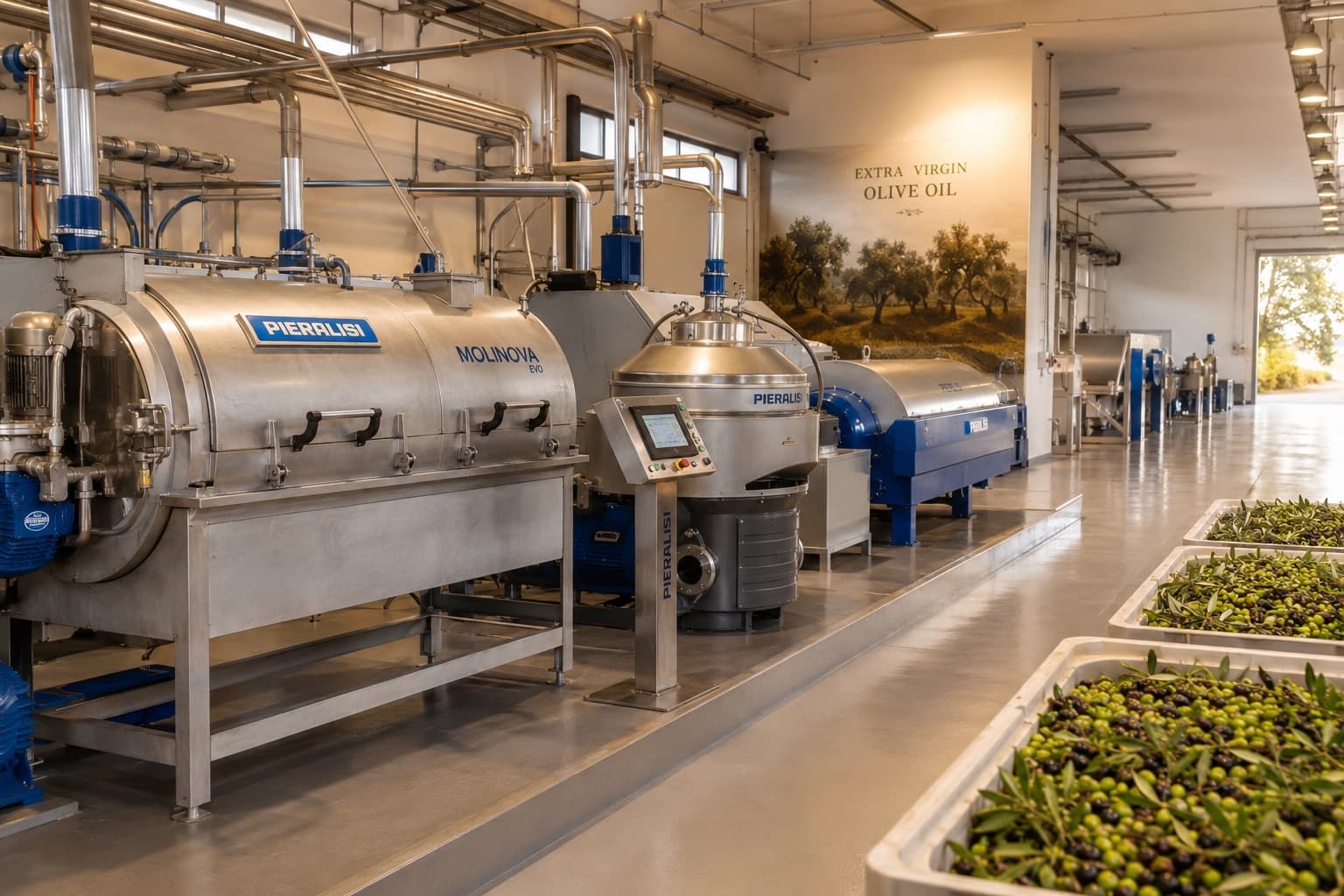 3
3Controlled storage
Stainless-steel tanks under nitrogen at our partners' facilities: the oil is protected from air and light until loading.
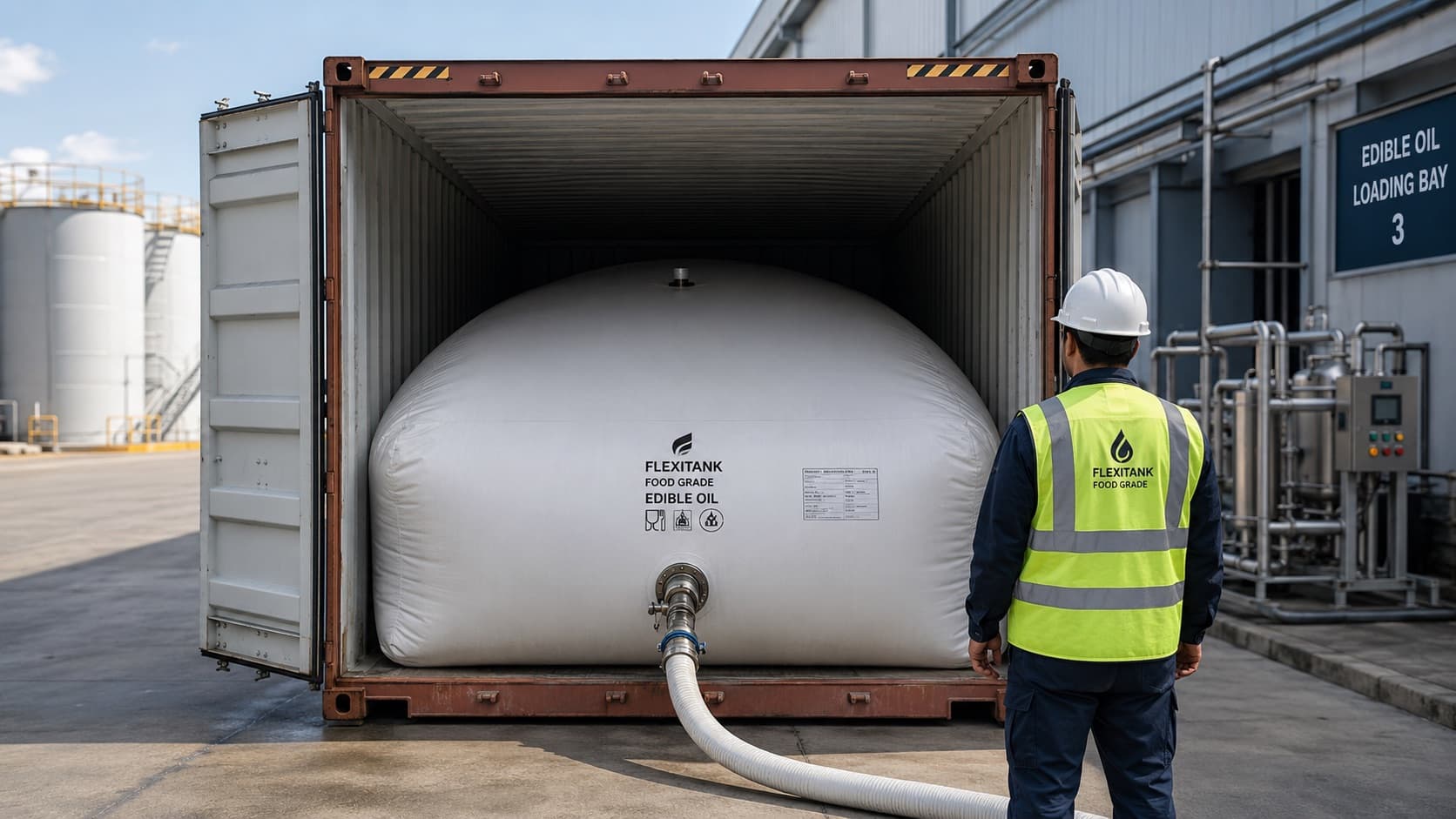 4
4Sealed loading
Sealed flexitanks or tankers, seal numbers recorded on the documents. Independent counter-analysis by a laboratory such as SGS carried out at loading.
Certifications & compliance
EU Organic
Organic farming — certified lots available, NOP on request
ISO 22000 · HACCP
Food safety at partner facilities
BRC · IFS
GFSI schemes, depending on the packing facility
Kosher · Halal
Available on request, depending on the lot
FDA compliance
U.S. requirements covered on export shipments
COA per lot
Full analysis report before every loading
Certifications held by our partner mills and packing facilities — the corresponding documents are supplied with the offer, depending on the lot.
Certifications & compliance
Depending on the lot and the partner mill, we provide: organic certification (EU, NOP on request), HACCP / ISO 22000 attestations for the facilities, and every document your market requires — EU, United States (FDA), Gulf. Tell us your requirements: we attach the corresponding certificates to the offer.
Technical data sheets & analysis reports
Product data sheets and sample analysis reports are available on request, in French and English. Every commercial offer includes the COA of the actual lot on offer.
Contact UsTransparency
How to read a COA — ours has nothing to hide
This is what the analysis report accompanying every offer looks like. Four numbers are enough to qualify an oil: we give them to you before any commitment.
Certificate of analysis — extra virgin olive oil
- Free acidity
- 0.32%
- extra virgin standard: ≤ 0.8%
- Peroxide value
- 7.4 meq O₂/kg
- standard: ≤ 20
- K232
- 1.84
- standard: ≤ 2.50
- K270
- 0.13
- standard: ≤ 0.22
- Total polyphenols
- 412 mg/kg
- disclosed on request
- Harvest season
- 2025–2026
- lot traced back to the mill
- 1
Low acidity
Healthy olives, milled quickly: the first marker of a well-made oil.
- 2
Low peroxide
A fresh oil, well extracted and well stored, far from oxidation thresholds.
- 3
K232 / K270
UV absorbance values rule out any blending with refined oils.
- 4
Polyphenols
The antioxidant richness that gives Tunisian oils their stability and nutritional value.
Knowledge
Guides & market notes
Bulk logistics, quality, season pricing: trading know-how, put in writing.
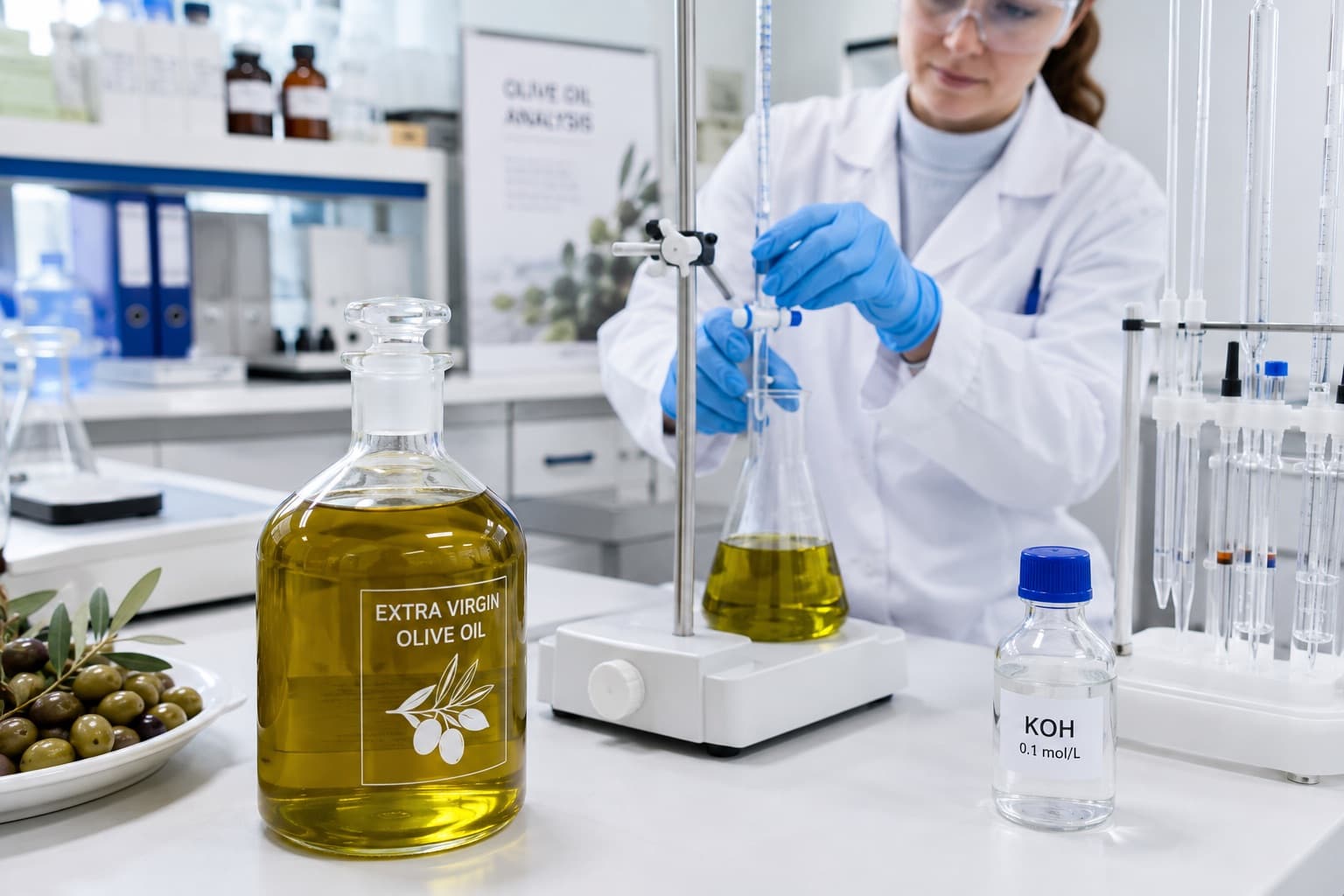
Quality
How to Read an Olive Oil COA: Acidity, Peroxide, K232, K270
Free acidity, peroxide value, K232, K270: learn how to read an olive oil certificate of analysis and spot the red flags before you commit to a purchase.
July 6, 2026 · 7 min read
Quality
Olive Oil Acidity, Peroxide, K232, K270: Parameters Explained
Free acidity, peroxide value, K232/K270/ΔK: what each olive oil parameter measures, what makes it drift, and how to read it closely before you buy.
July 9, 2026 · 8 min read
Quality
Olive Oil Sensory Defects and the Panel Test
Fusty, rancid, musty: understand olive oil sensory defects and the IOC panel test method to objectively justify a rejection or a quality claim.
July 11, 2026 · 8 min read

Tell us what you need.
Volume, grade, packaging, destination: describe your project and we'll get back to you within one business day with an offer at the best price — or the right questions.